




Spotlights
Agricultural Consultant, Crop Consultant, Pest Management Consultant, Integrated Pest Management (IPM) Specialist, Agricultural Extension Agent, Field Crop Advisor, Crop Protection Specialist, Plant Health Advisor, Pest Control Specialist, Pest Management Technician
Roughly 40% of the world’s crop production is lost every year—because of pests!
With billions of pests ranging from insects to rodents threatening delicate crops and fragile ecosystems, farmers rely heavily on the services of Pest Control Advisors (or PCAs). PCAs are crucial guardians of our agriculture, helping to protect crops, plants, and trees from being eaten or destroyed by invasive creatures.
PCAs advise farmers on the selection and use of chemicals as well as organic and natural methods of effectively controlling these bothersome pests. Their valuable work directly impacts environmental conservation efforts, public health and food security, and our national economy.
Note, a PCA is not necessarily a pesticide applicator. Someone can be both a licensed PCA and a licensed pesticide applicator, but the two roles have distinct responsibilities and requirements.
- Safeguarding the nation’s food supply from damaging pests
- Implementing environmentally friendly pest management strategies
- Helping to prevent pests from spreading disease to humans, animals, and plants
Working Schedule
- Pest Control Advisors work full-time, sometimes in offices, other times outdoors doing fieldwork. Frequent travel may be needed, causing them to be away from home some nights, weekends, or holidays. During fieldwork, they can be exposed to inclement weather, as well as chemical and pest hazards.
Typical Duties
- Conduct site visits to farms; scout (i.e., assess) fields for pest infestations
- Identify pests and inform farm owners or other clients of findings
- Look for conditions that could attract pests (such as leaf clutter, garbage, lighting, overgrown shrubs, dense vegetation, or moisture issues); suggest ways to eliminate or reduce these conditions
- Offer ideas for preventing pest access to certain areas via fencing, nets, row covers, etc.
- Collaborate with agronomists and farmers to strategize pest control measures
- Design integrated pest management plans that combine cultural, biological, mechanical, and chemical strategies
- Recommend appropriate chemical treatments or alternatives such as organic and sustainable pest control methods (including the introduction of natural predators such as ladybugs or spiders)
- Monitor the efficacy and environmental impact of treatments
- Work with pesticide manufacturers or suppliers to understand the properties and applications of products
Additional Responsibilities
- Prepare budgets for pest control measures
- Conduct training seminars for farmers about emerging threats and prevention
- Stay up-to-date on regulatory guidelines and ensure compliance
- Participate in professional organization activities and contribute to the advancement of the field
- Supervise or mentor assistants and scouts
- Assist with ordering inventory
- May help with chemical and nutrient application
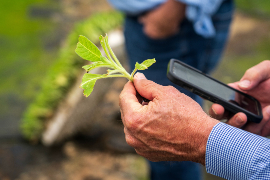
A Pest Control Advisor's day often begins with reviewing weather conditions, checking crop reports, and planning visits to farms or agricultural fields. Once in the field, they inspect crops for signs of insect infestations, plant diseases, weeds, and other problems that could affect plant growth and crop production. They may examine leaves, stems, roots, and fruits, collect samples, and identify pests or damage before recommending the best way to control them.
Much of the work involves helping farmers protect their crops while using pesticides and other pest management methods responsibly. Pest Control Advisors may recommend specific pesticides, calculate application rates, explain proper application techniques, and advise on the timing of treatments. They also promote Integrated Pest Management (IPM), which combines biological controls, crop rotation, field monitoring, and other methods to reduce dependence on chemical pesticides. Some days involve visiting multiple farms, meeting with growers, reviewing pest management records, or checking whether previous treatments were effective. Whether working for an agricultural consulting company, pesticide supplier, government agency, or independently, Pest Control Advisors help farmers manage pests, reduce crop losses, and maintain productive and healthy growing environments.
Soft Skills
- Analytical
- Attention to detail
- Communication skills
- Curiosity
- Environmental consciousness
- Independent
- Interpersonal skills
- Investigative
- Objectivity
- Organizational skills
- Patience
- Physical fitness
- Resourcefulness
- Safety oriented
- Sound judgment and decision-making
Technical Skills
- Ability to recognize poisonous plants
- Experience using Agvance Agrian or related recommendation software
- Familiarity with pesticide application techniques
- Geographic Information Systems for tracking pest outbreaks
- Integrated pest management principles
- Knowledge of numerous pest types, their biologies, and behaviors
- Knowledge of safety regulations and guidelines
- Organic and sustainable pest control methods
- PCA (Pest Control Advisor) license (in some states)
- QAL (Qualified Applicator) license (in some states)
- Understanding of crop cycles and farming practices
- Agricultural Pest Control Advisor: Helps farmers identify and manage insects, weeds, plant diseases, and other pests that threaten agricultural crops.
- Crop Protection Advisor: Recommends pest prevention and control strategies to protect specific crops and improve agricultural productivity.
- Integrated Pest Management (IPM) Advisor: Develops pest management plans that combine biological, cultural, mechanical, and chemical control methods to minimize environmental impact.
- Pesticide Application Advisor: Provides guidance on selecting pesticides, calculating application rates, and following proper application and safety procedures.
- Weed Control Advisor: Specializes in identifying invasive and unwanted plants and recommending suitable weed management strategies.
- Plant Disease Management Advisor: Helps farmers identify fungal, bacterial, viral, and other plant diseases and recommends appropriate prevention and treatment methods.
- Greenhouse Pest Control Advisor: Monitors pests and diseases affecting greenhouse crops and recommends control strategies suited to controlled growing environments.
- Orchard and Vineyard Pest Control Advisor: Specializes in managing insects, weeds, and plant diseases affecting fruit trees, grapevines, and other perennial crops.
- Agricultural companies
- Agricultural consultancy firms
- Crop protection companies
- Farms and ranches
- Government agricultural departments
- Museums and zoos
- Research facilities
- Vineyards
Pests pose a hazard to the crops and botanical plants we rely on for food and medicines. Thus our lives and health are linked to the actions of certain insects, mites, nematodes, mollusks, birds, and rodents. Indeed, pests pose a danger to ecosystems in general, as well as lawns, physical structures, and stored foods. They’re also prone to spreading diseases or even causing allergic reactions or venomous bites.
That’s why we rely so heavily on the diligence of Pest Control Advisors to mitigate the harmful effects of pest populations! PCAs play a pivotal role in ensuring our food sources are secure from the ravages of pests, but they also realize that many organisms are beneficial in some settings. For instance, caterpillars might be pests in a garden but they’re an essential food source for many birds.
Emerging technologies like drones and GIS software aid PCAs in monitoring larger areas more efficiently. Additionally, there's a growing emphasis on organic and sustainable pest control methods, aligning with the broader trend of eco-conscious farming.
Another trend is the ongoing development of more sustainable pest management strategies, such as using pheromones or living biological control agents (without those creatures turning into pests themselves). In some cases, genetically modified insects are introduced into an area to mate with wild insects and spread mutated genes, with the goal of reducing pest population sizes.
Pest Control Advisors most likely enjoyed being outside when they were younger, perhaps gardening or simply observing nature. They are curious-minded but equally analytical persons who may have liked reading or watching informative videos about earth sciences, wildlife, and insects.
Becoming a Pest Control Advisor typically requires a bachelor's degree in Entomology, Plant Science, Agronomy, Horticulture, Crop Science, or a related agricultural field. These programs provide the scientific knowledge needed to identify pests, understand plant diseases, and recommend effective crop protection strategies.
Relevant coursework may include:
- Entomology: Studying insects, their life cycles, behavior, and the damage they cause to agricultural crops.
- Plant Pathology: Learning to identify plant diseases caused by fungi, bacteria, viruses, and other pathogens.
- Weed Science: Understanding weed identification, growth patterns, and methods for controlling unwanted plants.
- Agronomy: Studying crop production, soil management, and agricultural practices that influence plant health.
- Pesticide Science: Learning how pesticides work, how to select appropriate products, and how to use them safely and responsibly.
- Integrated Pest Management (IPM): Studying how to combine biological, cultural, mechanical, and chemical methods to manage pests effectively.
- Soil Science: Understanding soil properties and how soil conditions affect crop health and pest development.
- Agricultural Chemistry: Learning about chemical compounds, pesticide formulations, and their effects on plants and the environment.
Practical experience is especially valuable in this career. Students can gain experience through internships with agricultural consulting companies, farms, crop protection businesses, and government agricultural agencies. In some locations, Pest Control Advisors must also obtain a professional license or certification before providing pesticide recommendations. Licensing requirements vary by jurisdiction and may involve examinations, supervised experience, and continuing education.
- Take biology, chemistry, agriculture, environmental science, and math classes to build a strong foundation in plant science and pest management.
- Join FFA, 4-H, gardening, or agriculture clubs to gain hands-on experience with crops and agricultural activities.
- Volunteer or work part-time on local farms, nurseries, greenhouses, or agricultural businesses to learn about common crop pests and plant health problems.
- Participate in science fairs or research projects involving insects, plant diseases, weeds, or environmentally friendly pest control methods.
- Learn to identify common agricultural pests, beneficial insects, weeds, and plant diseases.
- Read about pesticide safety, Integrated Pest Management (IPM), sustainable agriculture, and new crop protection technologies.
- Pursue a degree in Entomology, Agronomy, Plant Science, Crop Science, or a related agricultural field.
- Apply for internships with agricultural consulting firms, pesticide manufacturers, crop protection companies, or government agricultural agencies.
- Gain practical experience in field scouting, pest identification, crop monitoring, and evaluating pest damage.
- Develop communication and problem-solving skills so you can explain pest management recommendations to farmers and agricultural professionals.
- Keep a record of your projects, field experience, technical skills, and achievements to use for college and job applications.
- Hands-on learning and internships at farms, agricultural consulting firms, or crop protection companies.
- Courses in entomology, plant pathology, weed science, agronomy, and pesticide management.
- Opportunities to practice pest identification, crop scouting, plant disease diagnosis, and field inspections.
- Access to laboratories, greenhouses, agricultural fields, and equipment for studying insects and plant diseases.
- Strong connections to agricultural businesses, pesticide manufacturers, farming communities, and government agricultural agencies.
- Opportunities to participate in pest management research, crop protection projects, and Integrated Pest Management (IPM) programs.
- Exposure to modern agricultural technologies, including GPS, GIS mapping, digital crop monitoring, and pest identification tools.
- Training in pesticide safety, application methods, environmental protection, and responsible chemical handling.
- Access to instructors with professional experience in entomology, crop protection, plant pathology, or agricultural consulting.
- Programs that prepare students for relevant professional licensing or certification examinations.
- Career services that help students find internships, agricultural consulting positions, and employment opportunities in crop protection and pest management.
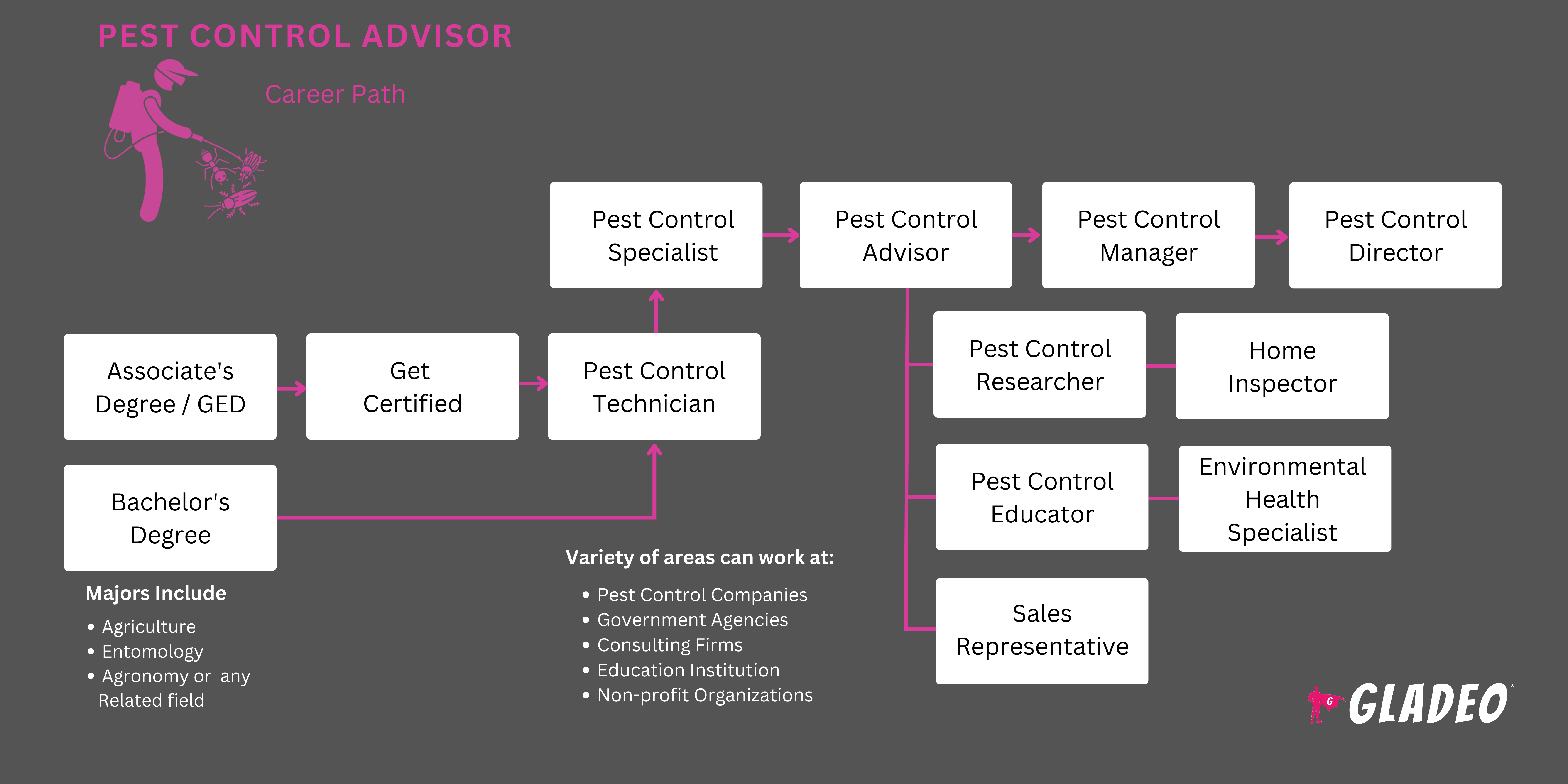
- Apply for internships or assistant roles at agricultural consulting firms, farms, or crop protection companies to gain practical experience.
- Build a portfolio showcasing pest identification, crop inspections, and pest management projects.
- Network with farmers, agronomists, agricultural consultants, and crop protection professionals.
- Prepare for interviews by studying common crop pests, plant diseases, pesticide safety, and Integrated Pest Management (IPM).
- Seek entry-level jobs like Crop Scout, Agricultural Technician, Pest Management Assistant, or Field Technician.
- Volunteer at agricultural research projects, farms, or pest management programs to make industry contacts.
- Use social media and professional networks to connect with experienced Pest Control Advisors for mentorship.
- Practice documenting field inspections, pest populations, crop damage, and treatment recommendations clearly.
- Learn to use pest identification tools, GPS equipment, and basic agricultural monitoring technology.
- Stay updated on pesticide regulations, pest control methods, and sustainable agriculture practices.
- Demonstrate strong observation, problem-solving, and communication skills during interviews.
- Attend agricultural workshops, pest management seminars, and certification courses to strengthen your qualifications.
- Let your supervisor know you are interested in advancement. Offer to take the lead on tough projects!
- Knock out extra education and training, such as a higher-level degree or a new certification
- Focus on a specific type of pest or method that’s in demand
- Become an expert in areas like organic pest control. Embrace new pest control technologies and methods
- Attend events where you can learn about the latest tools, chemicals, or biological methods
- Create training materials for new hires and to keep staff updated on best practices and emerging trends
- Analyze the current methods and practices of your organization. Propose more efficient or cost-effective alternatives
- Stay current on regulatory changes. Engage with local, state, or federal bodies to ensure your organization is always compliant
- Document pest control interventions and get published in industry magazines
- Partner with universities or research institutions for studies or projects
- Grow your reputation as a subject matter expert. Start a website, write online articles, make educational videos, mentor peers, and participate in professional organization events
- Strengthen relationships with customers, clients, coworkers, and managers
- Consider applying to a larger employer or relocating to where there are more (or higher-paying) job opportunities!
Websites
- American Society for Horticultural Science
- American Society of Agricultural Consultants
- American Society of Agronomy
- Association of American Pesticide Control Officials
- California Association of Pest Control Advisers
- California Department of Pesticide Regulation
- Center for Disease Control
- Crop Science Society of America
- Department of Agriculture’s Office of Pest Management Policy
- Entomological Society of America
- Environmental Protection Agency
- Federal Integrated Pest Management Coordinating Committee
- Forestry Service
- Midwest Center of Excellence-Vector Borne Disease
- National Agriculture Aviators Association
- National Alliance of Independent Crop Consultants
- National Institute of Food and Agriculture
- National Institutes of Health
- National Park Service
- National Pest Management Association
- Nature Conservancy
- Soil Science Society of America
- The National Academy of Science
- The Wildlife Society
- U.S. Fish and Wildlife Service
- U.S. Food and Drug Administration
- USDA Animal and Plant Health Inspection Service
- Weed Science Society of America
Books
- Attracting Beneficial Bugs to Your Garden: A Natural Approach to Pest Control, by Jessica Walliser
- Grow Your Pest Control Business: How to Gain an Unfair Advantage in Your Market and Stand Out From Your Competition, by Eric Bussey
- The Organic Gardener's Handbook of Natural Pest and Disease Control: A Complete Guide to Maintaining a Healthy Garden and Yard the Earth-Friendly Way, by Fern Marshall Bradley, Barbara W. Ellis, et al.
Pest Control Advising is a crucial but relatively small career field. As a result, there may not be an abundance of jobs where you want to live and work. If you’re interested in related occupations, check out the suggestions below!
- Agricultural and Food Scientist
- Agricultural Engineer
- Agronomist
- Botanist
- Chemical Technician
- Conservation Scientist and Forester
- Ecologist
- Entomologist
- Environmental Scientist and Specialist
- Farmer, Rancher, and Agricultural Manager
- Horticulturist
- Industrial Ecologist
- Microbiologist
- Naturalist
- Nursery Technician
- Pesticide Handler
- Plant Biologist
- Precision Agriculture Technician
- Soil Scientist
- Vineyard Manager
- Zoologist and Wildlife Biologist
Newsfeed

Featured Jobs
Online Courses and Tools
Annual Salary Expectations
New workers start around $36K. Median pay is $43K per year. Highly experienced workers can earn around $48K.